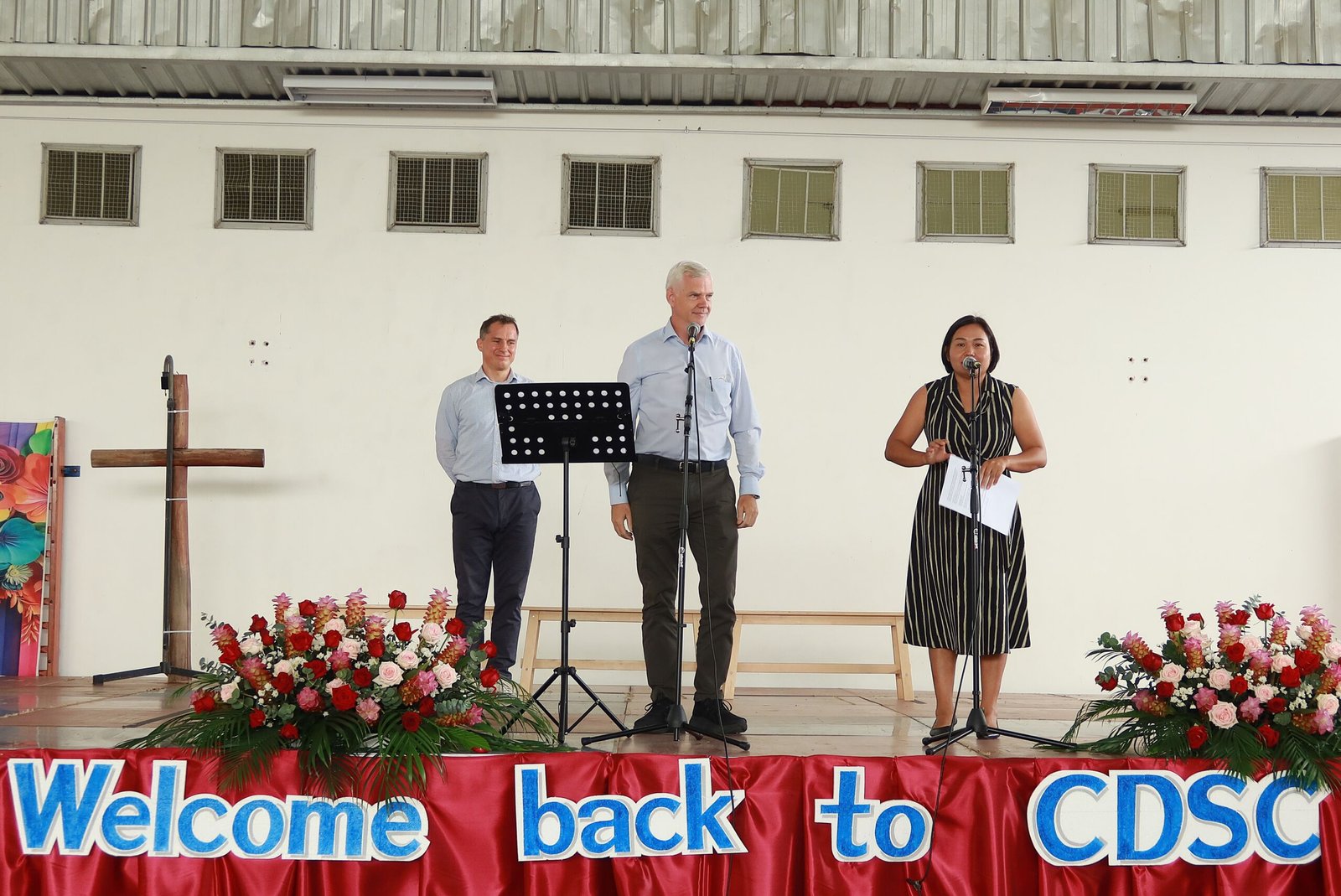
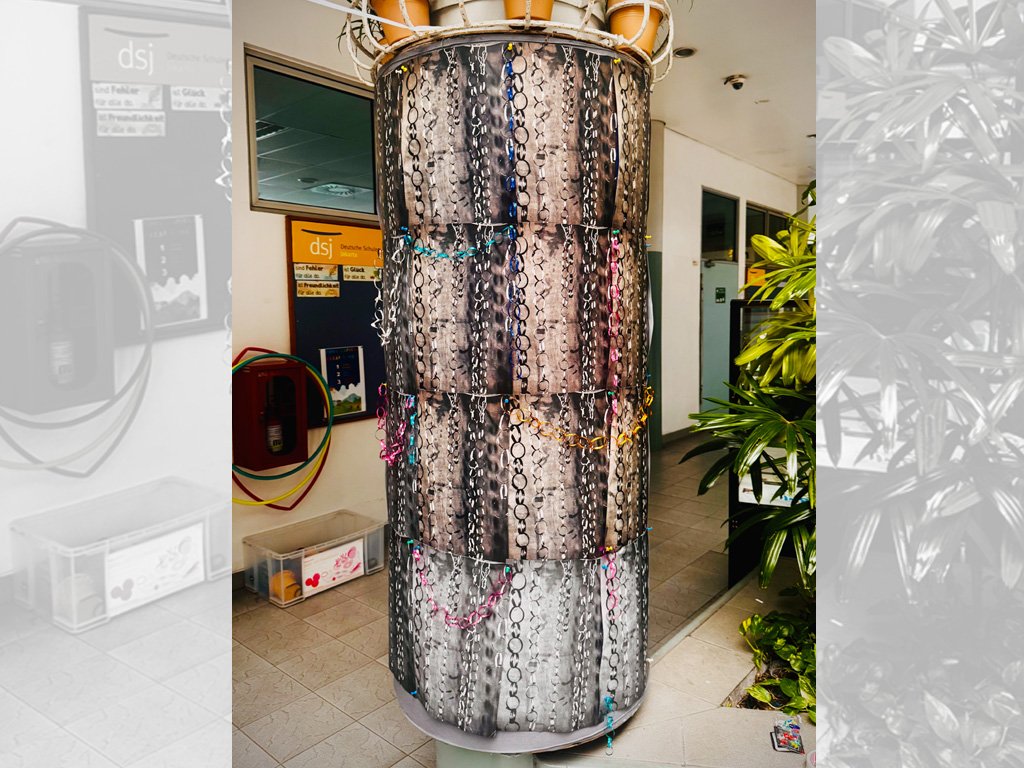
From all across Asia, students gather every two years for the cultural festival “Kulturantara” – a unique event that brings together German international schools to celebrate creativity, cultural exchange, and collaborative learning.
This year, the festival took place in Jakarta, Indonesia, and for us, the students of CDSC, it was an unforgettable experience.
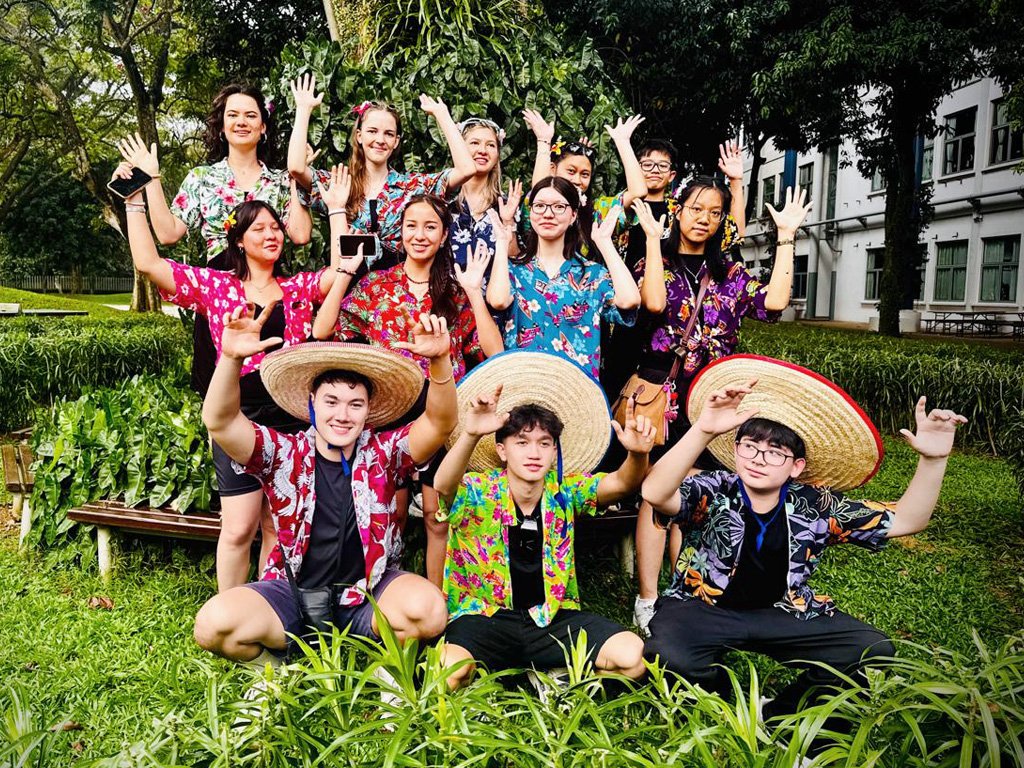
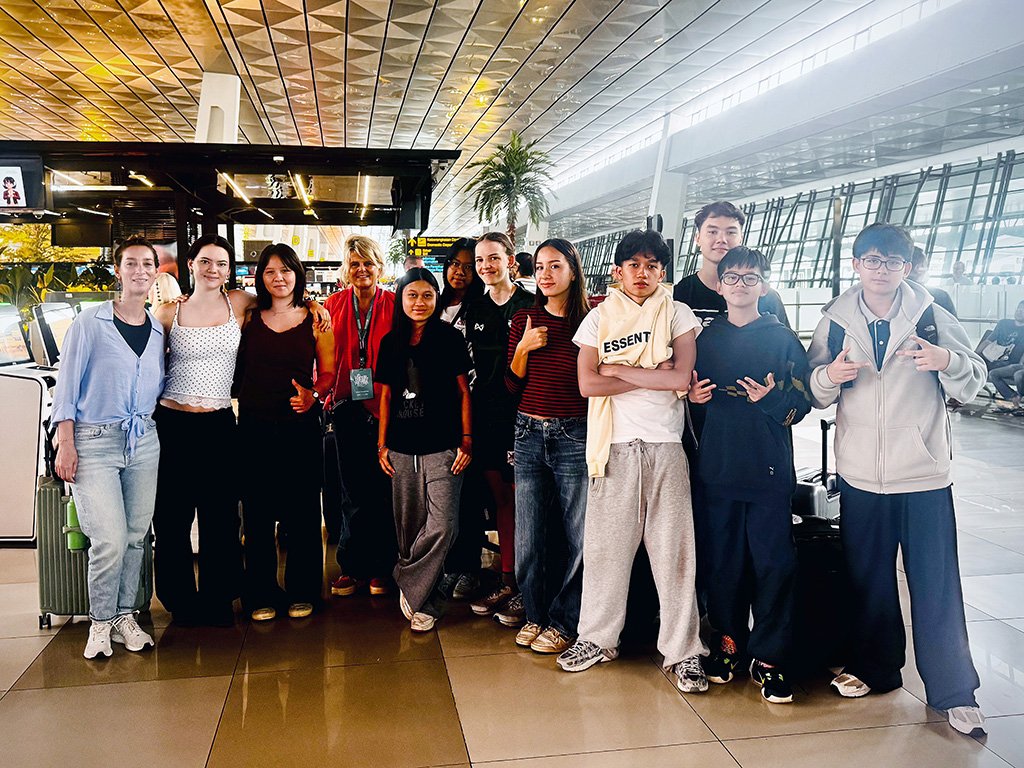
Students from various German international schools across Asia came together, including schools from New Delhi (India), Manila (Philippines), Kuala Lumpur (Malaysia), Bangkok (Thailand), Jakarta (Indonesia), and, of course, us from Chiang Mai. Each school was represented by twelve students, creating a diverse and truly international group.
Despite our different backgrounds, we were all united by one thing: our curiosity to learn from one another, discover new cultures, and express our creativity together.
After arriving in Jakarta, we received a warm welcome from our host families, which allowed us to experience Indonesian culture not only through the festival but also in everyday life. From the very beginning, we felt welcomed and well cared for. The families were incredibly kind, open-minded, and dedicated. It was especially touching to see how interested many of them were in the festival itself—they attended our workshops, followed our activities, and enthusiastically supported us during the performances.
We are deeply grateful to our host families for all their hard work and for the time and care they invested in us.
On the first evening, a grand opening ceremony took place, during which each school presented its own performance. The schools had been planning and rehearsing their contributions for weeks beforehand, which was reflected in the variety and quality of the performances. The program ranged from dance and music to theatre and creative stage productions.
Our school presented a combination of traditional Thai dance and modern elements. The performance began with a classical Thai song and then transitioned into the song “Samakkee Pee Nong Thai.” While the boys from our school sang, the girls performed a choreography that combined traditional Thai movements with contemporary dance elements.
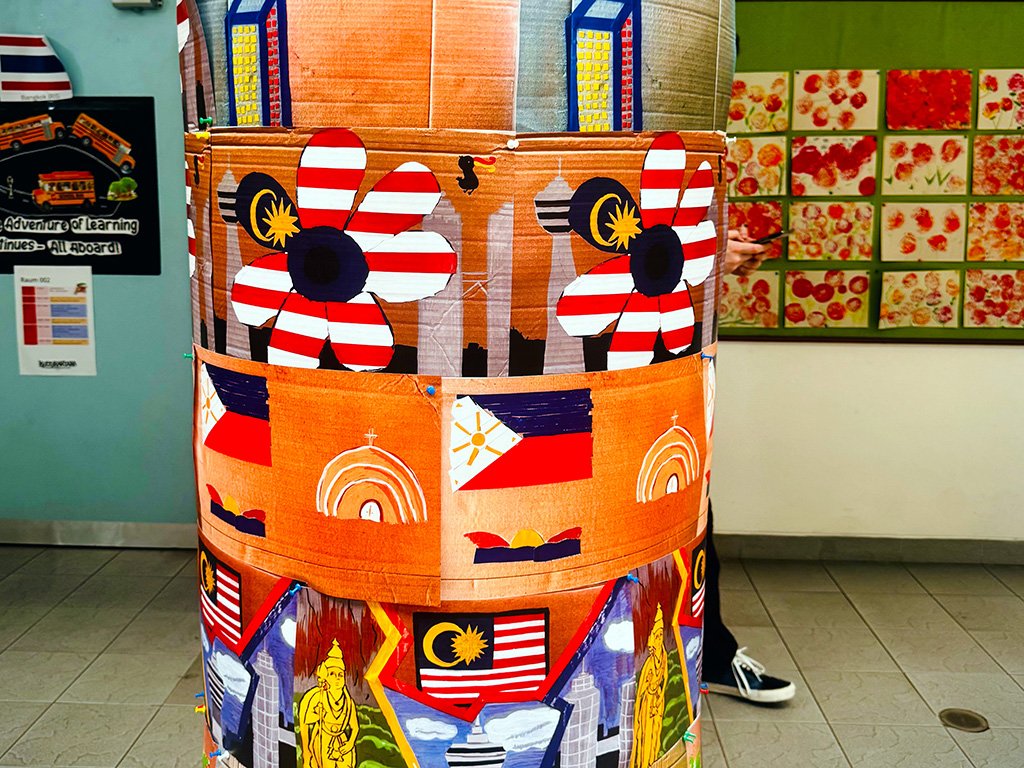
The other schools also impressed us with their performances, each reflecting the cultural influences of their respective countries. The school from New Delhi presented an energetic mix of hip-hop and traditional Indian dance, while the students from Kuala Lumpur performed a theatre piece highlighting the landmarks of their city.
The talented students from Manila delivered a particularly musical contribution, performing several songs. Among them, “Raining in Manila” was especially memorable and left a lasting impression on the audience.
Altogether, the opening ceremony created a varied and inspiring program that beautifully showcased the diversity of the participating schools.
The festival program began with a joint visit to an Indonesian museum. This visit provided us with a fascinating first insight into the culture and history of the country. We learned a great deal about Indonesia’s traditions, making the museum tour a highly successful introduction to the festival.
During the following three days, a wide range of workshops formed the heart of the event. These workshops were both creative and culturally diverse.
In total, we participated in several short-term workshops as well as one long-term workshop.
Short-Term Workshops
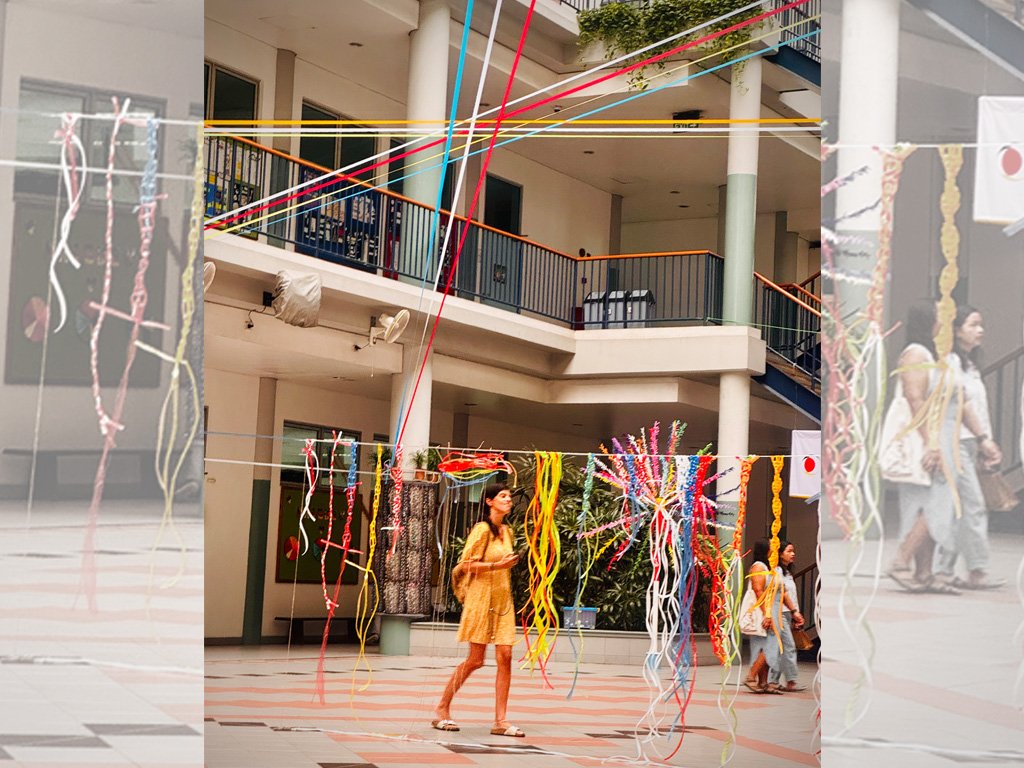
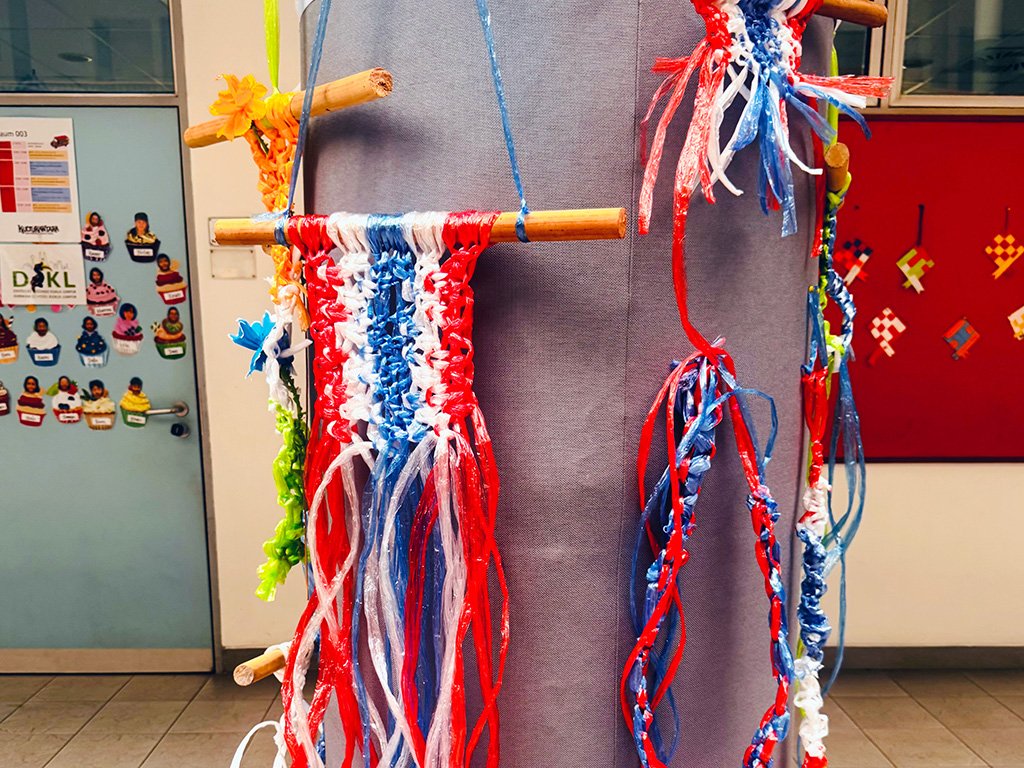
The selection of short-term workshops was incredibly varied. Students could learn ballroom dances such as the Waltz or the Cha-Cha-Cha. Particularly exciting were the creative workshops, where we painted fabrics using flowers from our respective countries, created macramé art, or learned how to weave bamboo.
These workshops allowed us to unleash our creativity and experiment with new techniques under the guidance of experienced workshop leaders. There was also a workshop where participants crafted hanging decorative figures, such as fish or birds, using natural fibres.
Musical activities were equally popular, including learning to play the Cajón or traditional Indonesian instruments such as the Angklung.
Long-Term Workshops
In addition to the shorter workshops, there were also long-term workshops. The goal of these workshops was to develop a performance together, which would then be presented to all participants during the closing ceremony on the final evening.
There were several different groups, including Hip-Hop and Fusion Motion. Other workshops focused on music or traditional Indonesian dance styles, such as Tinikling, in which students dance rhythmically between moving bamboo poles.
The closing evening was an emotional highlight of the festival. With great excitement, the participants presented the results of their various workshops. Afterwards, everyone came together for a large buffet to celebrate their experiences, their achievements, and the time they had shared, enjoying one final evening together.
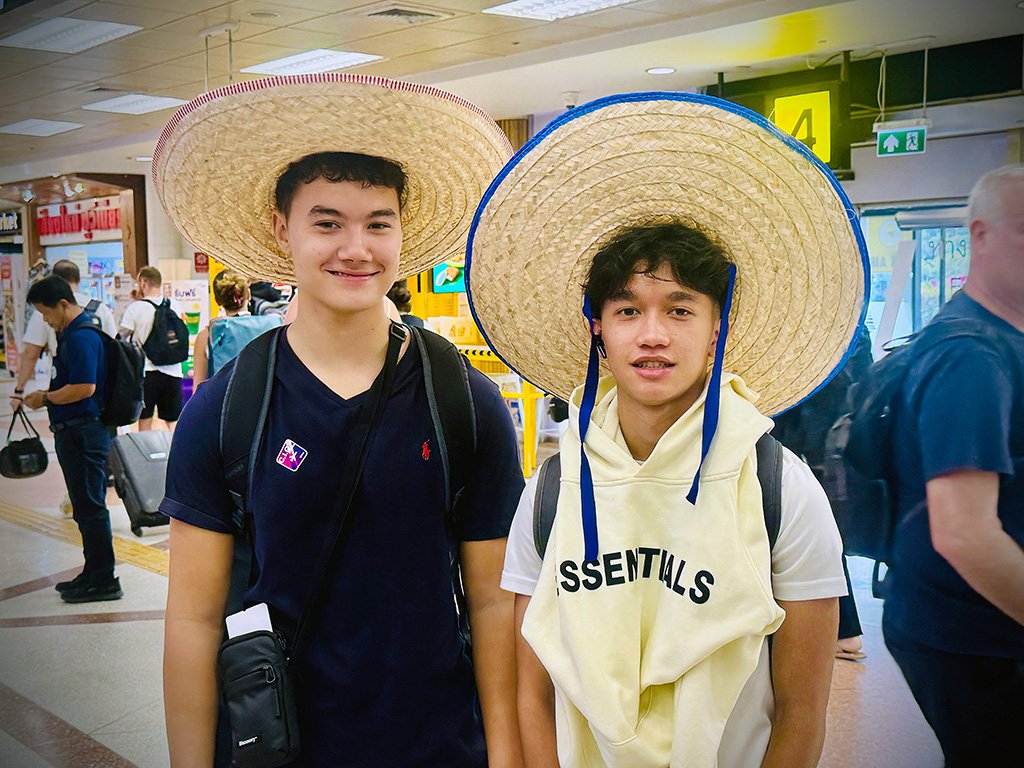
On Sunday morning, we gathered at the school one last time to say our goodbyes. We then boarded the school bus to the airport and began our journey home.
Kulturantara 2026 was an enriching experience for all of us. It not only fostered our creative abilities but also encouraged intercultural exchange and enabled us to form new friendships. We had the opportunity to try new things, connect with people from different backgrounds, and create unforgettable memories.
Yet even this report can only offer a small glimpse of what we truly experienced. The many special moments and emotions are difficult to put into words, and we are already looking forward to the next Kulturantara festival in Manila in 2028.
Mina Vianden (class 11)